XR Platform for Physical Therapy
In recent years, technology has revolutionized various aspects of our lives, and healthcare is no exception. One of the most exciting advancements in healthcare technology is the use of extended reality (XR) platforms in physical therapy. This innovation blends the digital and physical worlds to provide immersive therapy experiences. But what exactly is XR, and how does it enhance physical therapy? Let's dive in and explore the transformative potential of XR platforms for physical therapy.
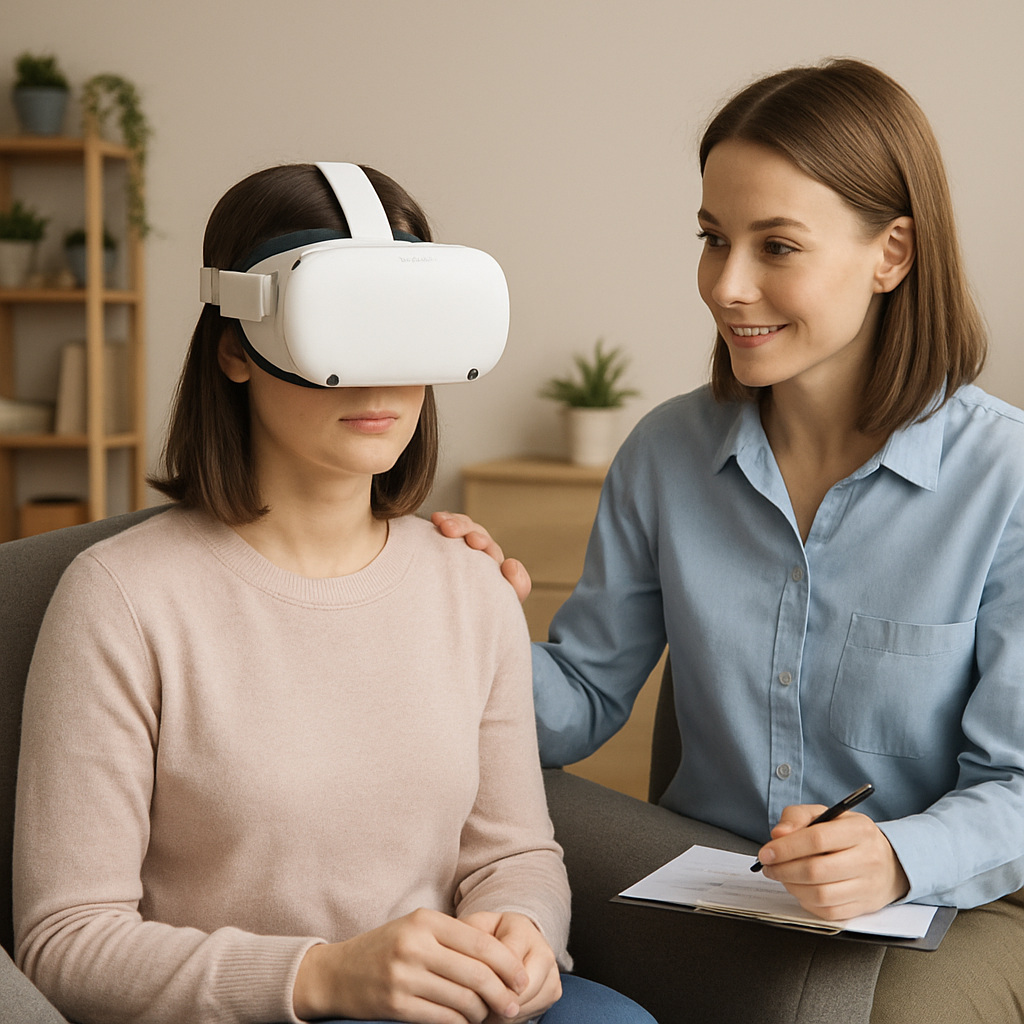 Extended reality (XR) is an umbrella term that encompasses virtual reality (VR), augmented reality (AR), and mixed reality (MR). Each of these technologies plays a unique role in creating virtual environments and experiences that can be used for therapeutic purposes.
Virtual Reality (VR)
VR involves creating a fully immersive environment where users can interact with a computer-generated world. In physical therapy, VR can simulate real-world activities that are tailored to a patient's specific needs, providing a safe and controlled environment for rehabilitation exercises.
Augmented Reality (AR)
AR overlays digital information onto the real world, enhancing the user's perception of their surroundings. In a therapeutic context, AR can be used to guide patients through exercises by providing visual cues and instructions in real-time.
Mixed Reality (MR)
MR combines elements of both VR and AR, allowing digital objects to interact with the real world. This can be particularly useful in physical therapy as it allows for more dynamic and interactive treatment sessions.
The Benefits of XR in Physical Therapy
The integration of XR technologies into physical therapy offers numerous benefits for both patients and practitioners.
Enhanced Engagement and Motivation
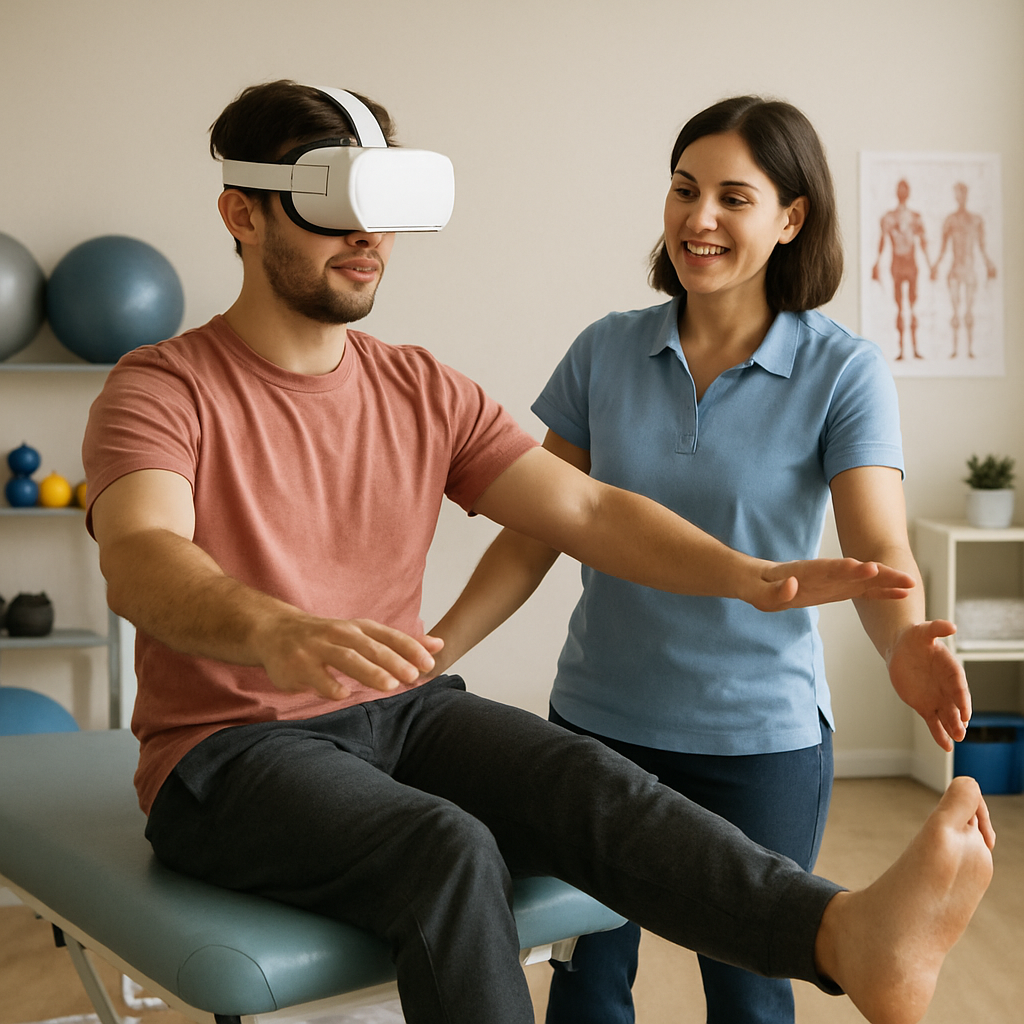 One of the primary challenges in physical therapy is keeping patients engaged and motivated throughout their treatment. Traditional therapy exercises can often be repetitive and monotonous, leading to decreased patient compliance. XR platforms address this issue by providing immersive therapy experiences that are both engaging and enjoyable. By gamifying therapy sessions and offering interactive challenges, XR can significantly increase patient motivation and adherence to treatment plans.
Personalized Therapy Experiences
XR platforms offer the ability to customize therapy sessions to meet the unique needs of each patient. Therapists can design specific programs that target a patient's individual goals and adjust the difficulty level as they progress. This personalized approach ensures that patients receive the most effective treatment possible, leading to better outcomes.
Real-Time Feedback and Progress Tracking
XR platforms provide real-time feedback on a patient's performance, allowing therapists to monitor progress and make necessary adjustments to the treatment plan. This immediate feedback helps patients understand their movements better and correct any errors during exercises, enhancing the overall effectiveness of the therapy.
Safe and Controlled Environment
For patients recovering from injuries or surgeries, performing exercises in a controlled environment is crucial. XR platforms offer a safe space where patients can practice movements without the risk of injury. This is particularly beneficial for those with balance issues or limited mobility, as they can gradually build confidence and strength without fear of falling or further injury.
Applications of XR in Physical Therapy
XR technology is being utilized in various physical therapy applications, each offering unique benefits to patients and therapists.
Rehabilitation for Neurological Conditions
Patients with neurological conditions such as stroke, Parkinson's disease, or multiple sclerosis often require specialized rehabilitation to improve their motor skills and coordination. XR platforms can simulate real-life scenarios that encourage patients to practice essential movements, helping them regain independence and improve their quality of life.
Orthopedic Rehabilitation
 by Anne Nygård (https://unsplash.com/@polarmermaid)
Orthopedic rehabilitation involves restoring function and mobility to patients recovering from musculoskeletal injuries or surgeries. XR platforms can create virtual environments that mimic daily activities, allowing patients to practice movements and exercises that aid in their recovery.
Pain Management
Chronic pain can be debilitating and challenging to manage with traditional therapies alone. XR platforms offer an alternative approach by distracting patients from their pain through immersive experiences. By engaging in virtual activities, patients can experience temporary relief and improved pain tolerance.
Pediatric Physical Therapy
Children undergoing physical therapy often require unique approaches to keep them engaged. XR platforms can transform therapy sessions into fun and interactive games, making it easier for young patients to participate actively in their treatment.
Challenges and Considerations
While XR platforms hold great promise for physical therapy, there are challenges and considerations to keep in mind.
Accessibility and Cost
The cost of XR technology and equipment can be a barrier for some clinics and patients. Ensuring accessibility to these advanced therapies requires investment and support from healthcare providers and policymakers.
Technical Limitations
Technical issues such as software glitches or hardware malfunctions can disrupt therapy sessions. Continued advancements and improvements in XR technology will be essential to minimize these issues and provide reliable therapeutic solutions.
Training and Familiarity
Therapists and patients need to become familiar with XR technology to use it effectively. Training programs and resources should be made available to ensure that both practitioners and patients can maximize the benefits of XR platforms in therapy.
The Future of XR in Physical Therapy
As XR technology continues to evolve, its applications in physical therapy are expected to expand further. Future developments may include more sophisticated simulations, improved haptic feedback, and enhanced integration with other healthcare technologies.
The potential of XR platforms to revolutionize physical therapy is immense. By combining the best of digital innovation with traditional therapeutic techniques, XR has the power to transform the rehabilitation process, making it more effective, engaging, and accessible for patients worldwide.
In conclusion, XR platforms are poised to become a valuable tool in the field of physical therapy. As technology advances and becomes more accessible, patients and practitioners alike can look forward to a future where rehabilitation is not only effective but also an enjoyable and immersive experience.

